Howtoorganiseanexclusiveeventthroughliveshowentertainmentandlivecommunication
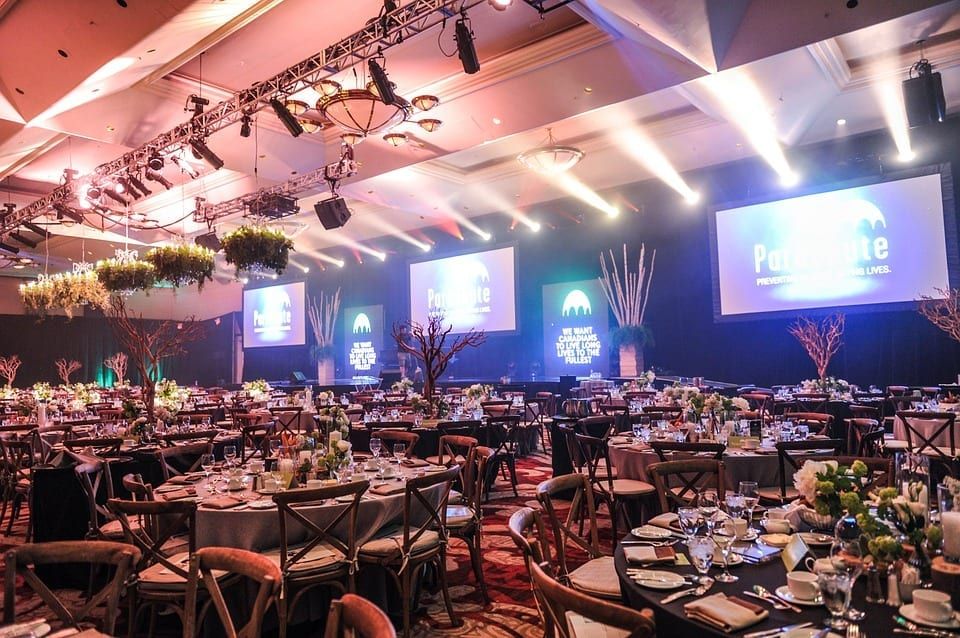
An exclusive event is organised by building a dramaturgy, not a running order. The central problem of any evening is holding the guests' attention from start to finish, and the two instruments that make it possible are live show entertainment, meaning the live performances woven into the rhythm of the event, and live communication, meaning everything that communicates in real time as the event unfolds. Designed together and calibrated against the audience's attention curve, they are what separates an evening that flows from one that disperses. The variables to manage are few and almost always the same: rhythm, the format of the evening, the constraints of the venue, and the handling of transitions.
What live show entertainment is
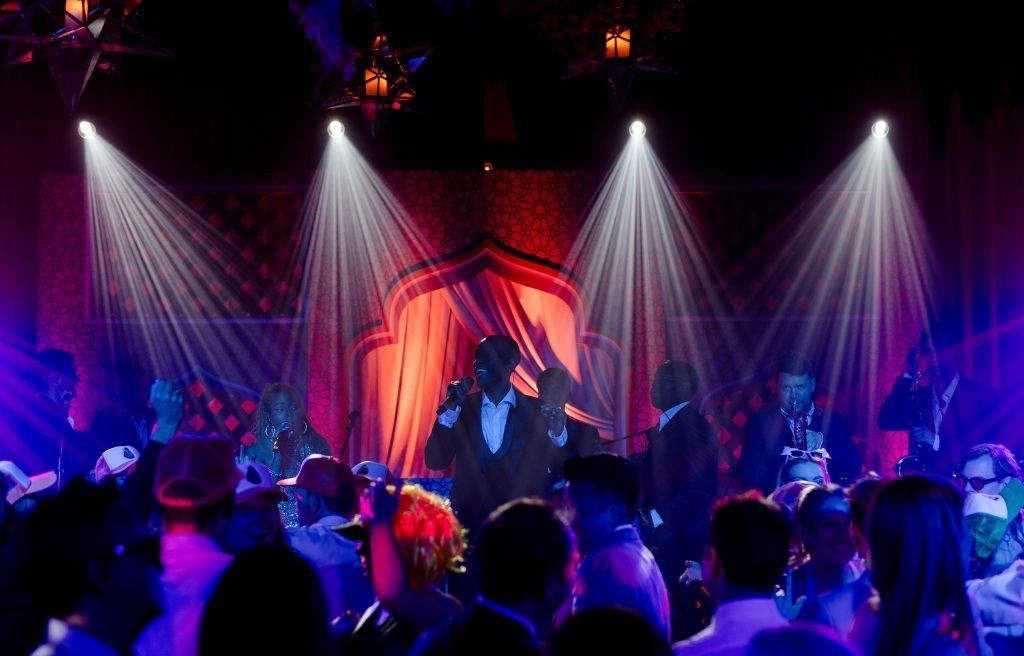
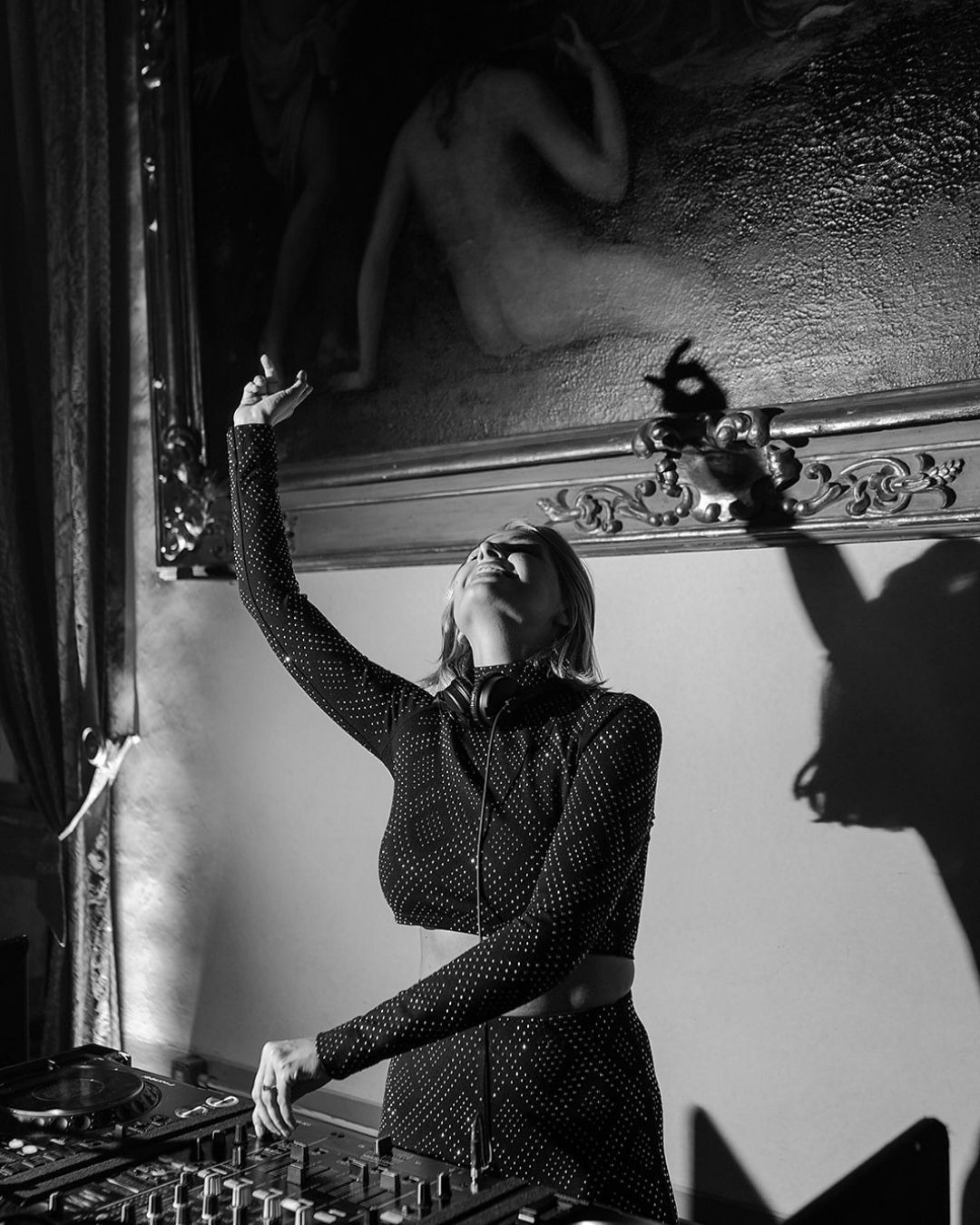
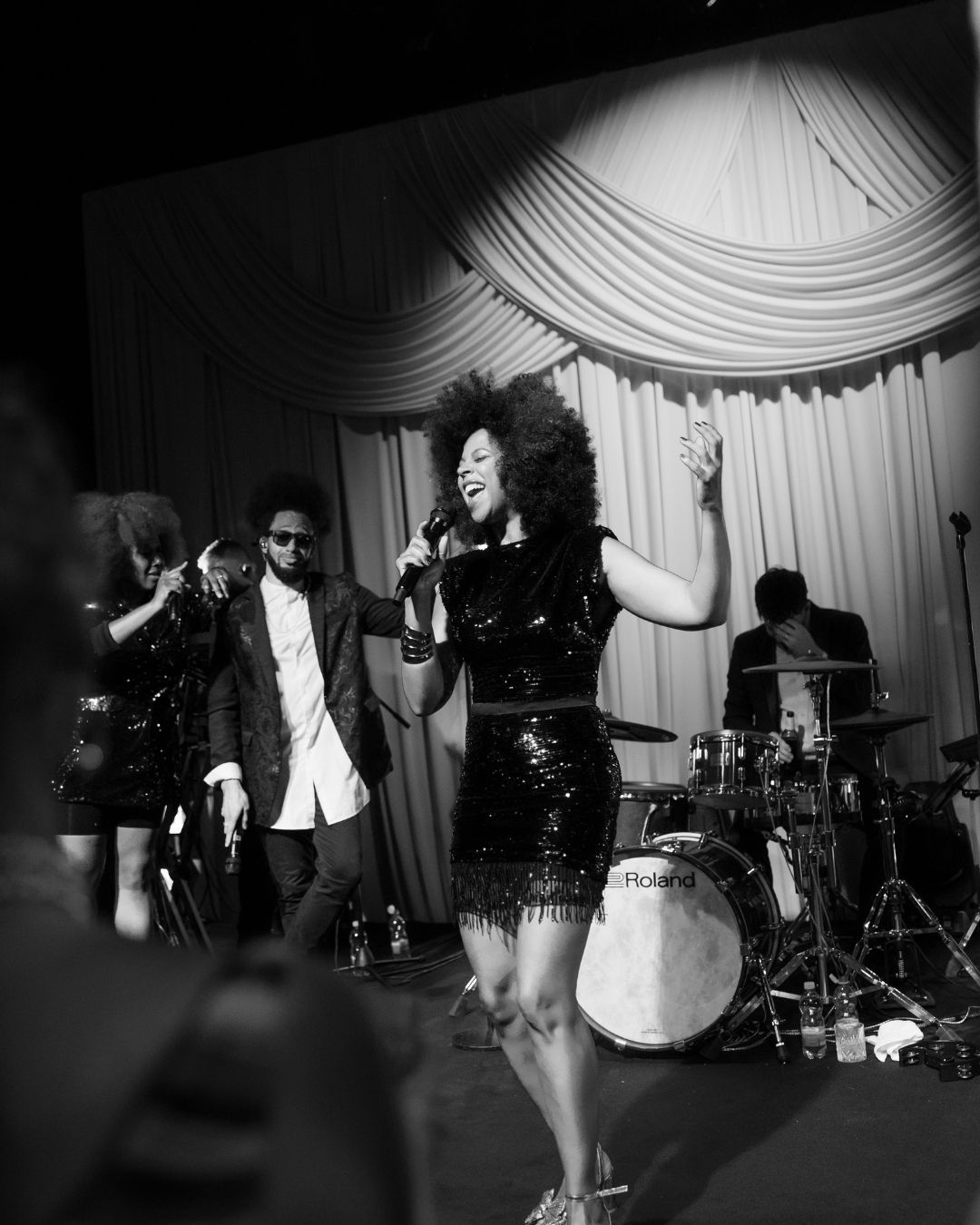
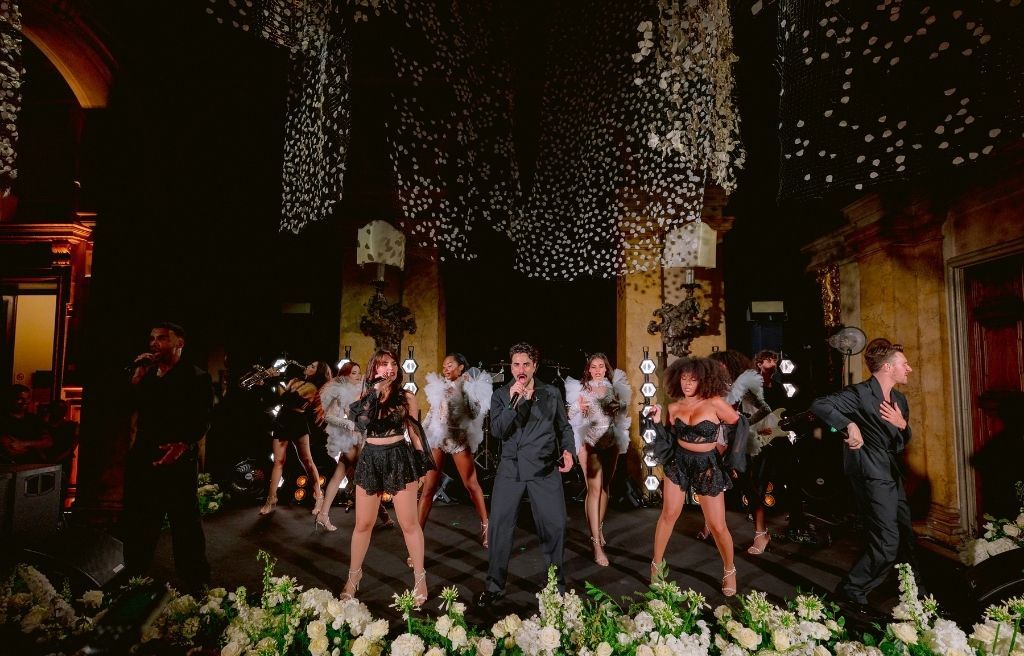
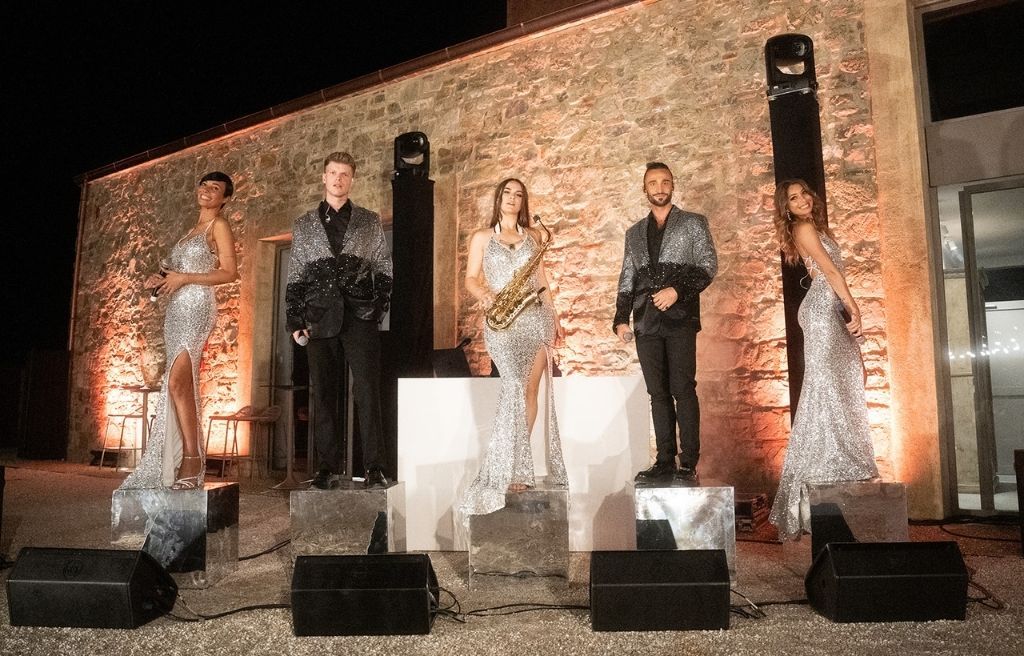
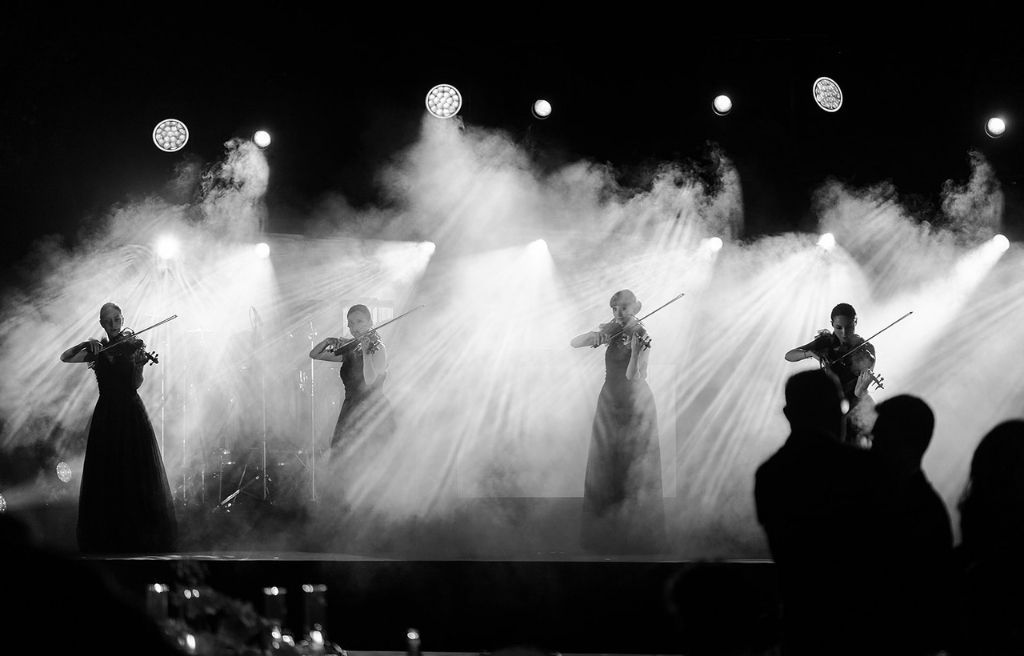
Live show entertainment is the set of live performances that punctuate an event: music, dance, contemporary performing arts, artistic interventions conceived for a precise moment of the evening.
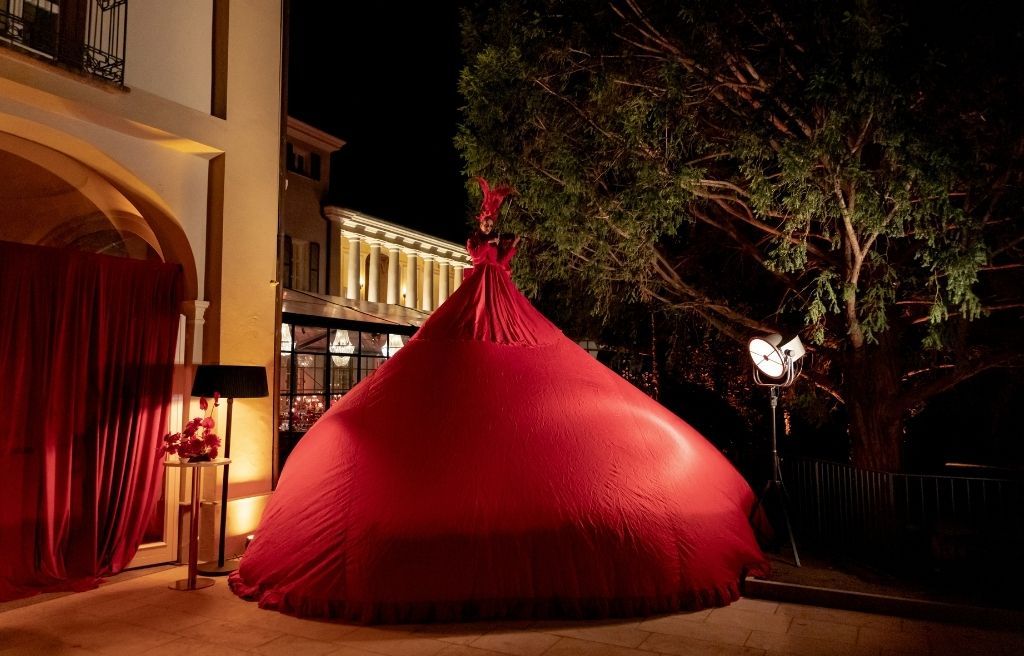
What distinguishes it from simple entertainment is its function. A show does not fill a gap, it marks a transition: it opens, it gathers attention after it has scattered, or it carries the evening to its highest point. This is why a performance is chosen according to where it will sit, before it is chosen according to taste.
What live communication at an event is
Live communication covers every form of communication generated during an event rather than before it: visual content produced live, graphics that update while a speaker talks, live illustration, simultaneous translation for an international audience, systems that gather responses from the room and return them within seconds.
The difference from a conventional audiovisual set-up lies in the direction of the flow. A video prepared in advance shows guests something; a live communication device records what guests do and turns it into content. Those taking part stop feeling like an audience.
How the rhythm of an evening is built
An event has an attention curve that rises, holds and falls, and understanding it is worth more than any artistic choice. The opening phases carry scattered attention, because guests are still orienting themselves, finding one another, exchanging greetings. Peak receptiveness comes later, usually after the first course, once people have sat down and stopped looking around.
Placing the main performance too early means addressing a room that has not yet arrived. Placing it too late means competing with tiredness. In practice the peak is built into the second third of the evening, leaving the closing stretch a different register, looser and less structured.
Why the format of the evening dictates the running order
The constraint that most often surprises clients is that the artistic running order cannot be written on its own: it depends on how the evening is structured, and the two main formats follow opposite logics.
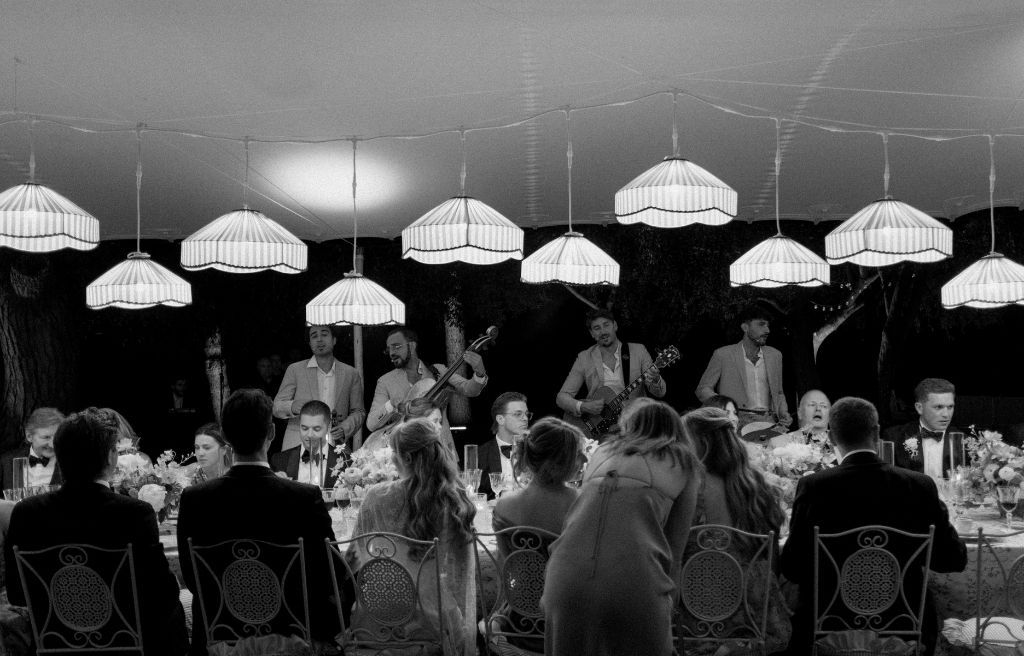
With a seated dinner, service timing governs everything. The usable spaces are the pauses between one stage of the meal and the next, shorter than people imagine, and they have to be agreed with the floor and the kitchen before any programme is set. A performance placed at the wrong moment forces guests to choose between watching and eating, and in that contest the show always loses.
Without table service, the problem reverses. At a cocktail reception or a standing event there is no audience already seated and facing one direction: people move, talk in groups, spread across several spaces. Attention has to be called for, not simply filled. This calls for shorter moments, a clear signal introducing them, and lighting direction that draws the room together before the performance begins. The risk in this format is that a genuinely good show goes unnoticed because nobody told the guests it was about to start.
Which technical constraints determine what is possible
Prestigious venues, which are precisely the ones sought for exclusive events, almost always carry limitations that surface late if nobody checks them early.
-
Acoustics. Historic rooms with high ceilings and hard surfaces generate reverberation. A poorly calibrated system produces a volume that makes conversation impossible, and a room where people cannot talk stops being a place of connection.
-
Sightlines. In a standing audience, anyone beyond the fourth row cannot see the stage unless it is raised sufficiently. A performance that thirty per cent of guests cannot see becomes background noise.
-
Power supply. Historic residences and unconventional spaces rarely support the load of a full lighting and audio rig. A generator should be planned during the site visit, not the week before.
-
Backstage. Performers need space to prepare, warm up and change. Many villas have none, and the solution has to be built.
-
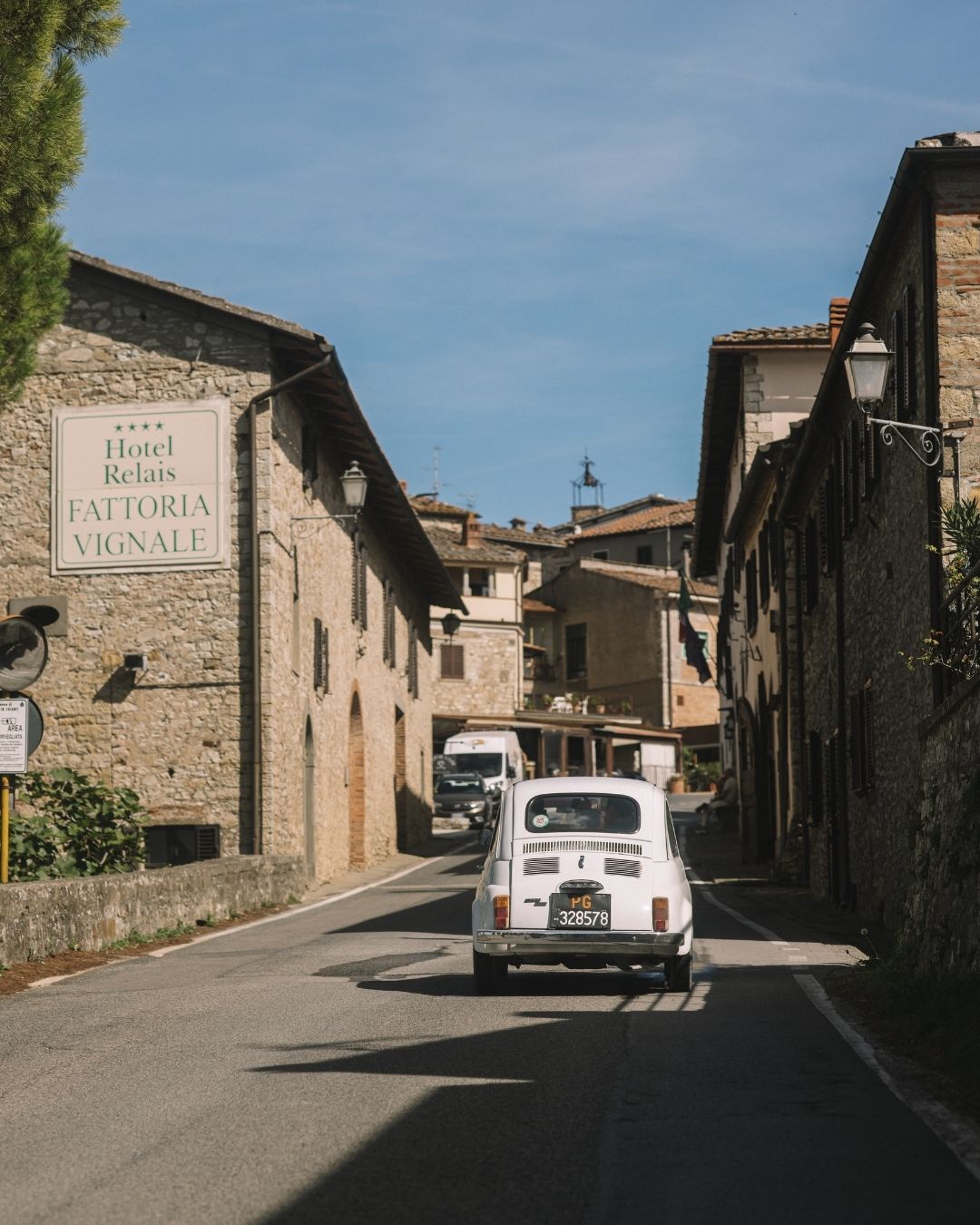
Permits and curfews. In Italy, live music requires SIAE clearance, and many municipalities impose sound emission limits and closing times.
Checking these before promising a long evening avoids having to cut it short in front of the guests.
What makes a show suitable for an international audience
When the room speaks several languages, the selection criteria change. The forms that cross linguistic barriers are visual, musical and physical: live music, dance, contemporary circus arts, performances built on gesture or light. Comedy, by contrast, travels poorly, because it depends on cultural references part of the room does not share.
The same applies to timing. A mixed audience needs shorter introductions and clearer signals about when a moment begins and ends, otherwise some guests remain waiting for something that has already happened.
How an event should close
The memory of an evening forms largely in its final minutes, and it is the part almost nobody designs. Many events end by exhaustion: the lights come up, the music fades, guests work out for themselves that it is time to leave.
A constructed ending produces the opposite effect. It might be a short final address, a change of light, a collective moment that draws the room back together after it has dispersed. What is needed is a recognisable signal, placed before the energy has fully drained, because by that point what guests take home has already been decided.
How Genius Eventi designs an exclusive event
Genius Eventi works on these elements from the first site visit, treating performance, service, technical production and communication as a single project rather than separate supplies. From the concept to the choice of performers, from verifying the venue's constraints to directing the timing in the room, each decision is taken in relation to the others, which is why certain evenings appear to unfold effortlessly.
Let's talk about your next event
The first step is understanding what kind of evening you have in mind and the space it will take place in. Tell us about the occasion, the audience and the result you would like to achieve: from there we build a proposal that holds artistic direction, live communication and technical feasibility together.
Get in touch for an initial consultation, with no obligation.